
01 / 精选实践
全部作品 ↗影片素材 → 可追溯证据
- 01
影片素材
来源 · 关键帧
原始影片与画格 - 02
镜头与语音
区间 · 转写
时间码对齐 - 03
证据报告
分析 · 来源引用
观察连回来源
关键帧 · 时间码 · 证据包
创作意图 → 可交付成果
- 01
知识资产
来源 · 抽取
可追溯的来源资料 - 02
剧本
场次 · 批准
Fountain 导出 - 03
提示词包
冻结 · 缺口报告
交给外部执行器
剧本是产品。出片环节暂停。
02 / 语言研究
粤语 · 语音 · 情感
语音、情感与语言理解
关注人们如何表达情感,以及如何从声音中理解彼此。
03 / 影像与细读
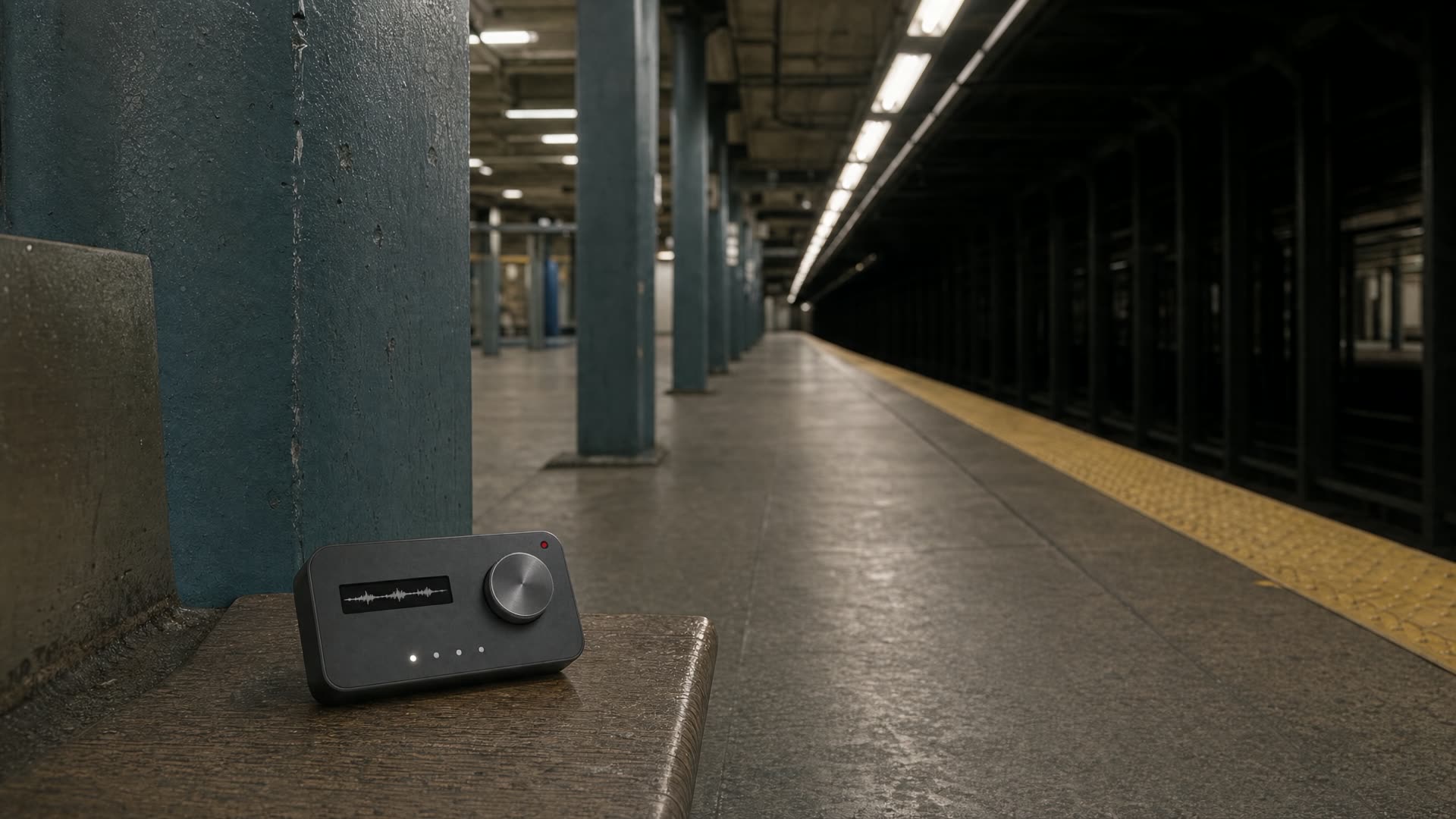
静音录音机
以生成式模型创作的概念影片;「影视」亦收录长篇细读。
04 / 最近在做
Turnweft 开源,六个智能体插件归档
Turnweft 已在 GitHub 与 npm 公开。你可以在 Claude Code 或 Codex 里请 Dim、Droid、Grok、OpenCode 和 agy 审查代码、实现改动或回答问题。智能体在你的项目目录里工作,把结果带回对话,之后还能接着同一个会话继续。Turnweft 接续了我早期面向 OpenCode、Grok 和 agy 的六个插件;它们已于 2026-10-05 归档。项目介绍与入门方式见「作品」。
Dong-skills 更新任务分工与复核收口规则
四套协作技能补充了写入交接、定向返修复核、产物证据与按当前插件契约恢复任务的规则,并提供只读工具检查技能源与安装副本的一致性。项目页同步整理了将 OpenCode、Grok、Antigravity 接入 Claude Code 与 Codex 的六个插件。
阅读更多 ↗
全部近况(25)
Director Intent OS 定名为「源映 Storyspan」
源映 Storyspan(原 Director Intent OS)于 2026-09-04 定名。产品架构分四个模块:知识抽取、创作(剧本产品)、生成准备与编译、Film Run。剧本是唯一可卖产品,成片是内部产出,Film Run 暂停。知识抽取已可用,剧本主链已打通,生成准备与编译能产出带能力缺口报告的冻结提示词包,并判定包是否陈旧。尚未产出任何成片。完整案例见「作品」。
Antigravity plugins 把 plugin matrix 扩展到第三个 CLI
agy-plugin-cc 与 agy-plugin-codex 已于 v0.1.0 公开发布,将多智能体插件矩阵从 OpenCode 和 Grok 扩展到 Google Antigravity CLI(agy)。Claude Code 与 Codex 现各有三条协作边。由于 agy headless 没有 read-only mode,两个 plugin 都把 read-only review 做成文件系统隔离流程:使用一次性工作树副本,且不告知仓库路径。Codex 一侧公开测量过的 runtime contract,每项行为主张都附 probe 命令。
阅读更多 ↗第二语言粤语的口音程度与可懂度:普通话母语者朗读语音研究
我们的论文〈Accentedness and comprehensibility in second language Cantonese: An investigation of Mandarin learners’ read speech〉已获 Language and Speech 接收。研究结合 40 名普通话母语者的二语粤语朗读、母语者评分与 58 项声学、社会语言学及听觉敏感度指标,发现口音程度与可懂度高度相关但并不等同,两种判断既有共同的预测因素,也有各自特有的预测因素。
Claude Code 的 OpenCode 与 Grok 插件补齐 plugin matrix
opencode-plugin-cc 与 grok-plugin-cc 已以 v0.1.1 公开,作为官方 codex-plugin-cc 命令面到 OpenCode 与 Grok CLI 的 port。至此 Claude Code 到 OpenCode、Claude Code 到 Grok、Codex 到 OpenCode、Codex 到 Grok 四条协作边全部打通。同批 grok-plugin-codex 0.2 落地 typed MCP contract v2。Dong-skills 的协作 skills 已对齐 contract v2,覆盖 Claude Code、Codex、OpenCode 与 Grok。
阅读更多 ↗Evidoc 0.3.2 已以 @evidoc/evidoc 发布到 npm
Evidoc 在 v0.1.0 公开 release 后完成 namespace 迁移与发布加固。现在可经 npm scoped package @evidoc/evidoc 安装。分发面不变:CLI、MCP server、GitHub Action 与 Local Web UI。
阅读更多 ↗grok-plugin-codex 公开发布
grok-plugin-codex 已以公开 Codex plugin 形式发布,让用户可在 Codex 内调用本机 Grok CLI。它提供 MCP tools,用于受控 run、review、rescue analysis、adversarial checks、session listing / export 与 background job control,并以协作边界将隐藏的 Codex context 与 Grok prompts 分隔。Dong-skills 也已补上对应的 Codex-Grok 协作工作流。
阅读更多 ↗Evidoc v0.1.0 发布
Evidoc v0.1.0 已公开发布,定位为面向 agentic repositories 的文档漂移控制工具。这次 release 完成 DriftGuard -> Evidoc rename,提供 CLI、core、dashboard、GitHub Action、local app、MCP server、reports 与 review log package artifacts,并加入双语 Evidoc Command Center,用于 repository health、triage、repair prompts 与 local gates。
阅读更多 ↗D-academic-agent v0.1.0 发布
D-academic-agent v0.1.0 已发布。它是一个本地优先的学术证据核验桌面工作区,用于对照论文原文检查草稿论点与引用,也支持单条论点核对、PDF 导入、写作工作台、证据表和可选的本地或在线检查方式。目前公开包暂为 Apple Silicon macOS ZIP;Intel Mac、Windows 与 Linux 用户仍需从源码运行。
阅读更多 ↗D-viva-assistant-agent v0.1.0 发布
D-viva-assistant-agent v0.1.0 已发布。它是一个本地优先的论文答辩准备工作区,可导入论文,生成有证据来源的备考卡与考官式练习问题,按多个维度评估回答,并把薄弱点沉淀到复盘队列。目前 release 提供未签名的 Apple Silicon macOS ZIP 与 SHA-256 校验文件;AI 与语音转文字整合仍是可选功能,只有配置后才会运行。
阅读更多 ↗声调与非声调语言中人声情感信号的音高—频谱功能取舍
我们的海报摘要〈Pitch vs. Spectral: A Functional Trade-off in Vocal Emotion Signaling between Tonal and Non-tonal Languages〉已收录于 LabPhon 20 完整会议论文集,且该论文集现已公开。这项研究比较声调与非声调语言在人声情感传递中的线索分工,探讨当音高同时承担词汇声调功能时,音高与频谱线索如何分配情绪信号的角色。
阅读更多 ↗opencode-plugin-codex 公开发布
opencode-plugin-codex 已以公开 Codex plugin 形式发布,让用户可在 Codex 内使用 OpenCode。它提供 MCP tools,用于第二轮工程审查、问题排查、背景任务控制、可见对话交接、prompt-before-file 消息处理与 file attachment guard,协作指引则把 OpenCode scope 与 Codex private runtime paths 分隔。
阅读更多 ↗Dong-skills 仓库创建
我创建 Dong-skills 作为个人智能体协作技能仓库(agent collaboration skills),目前已在 GitHub 公开。建立初期收录 Claude-Codex 互评工作流与 Codex-OpenCode 协作流程,用于能力检查、受控委派、交接、对抗式审查与验证关卡。
阅读更多 ↗3 个 Memoh upstream PR 合并
我在 Memoh 上游完成 3 个 merged upstream PR:PR #592 让 container setup failure 出现在 diagnostics 中,PR #595 更新 Docker deployment docs,PR #671 避免 fork 触发 Docker publish。这些改动改善了诊断、部署可靠性与 contributor-safe CI。
阅读更多 ↗顺利通过哲学硕士论文答辩
我在香港树仁大学顺利完成哲学硕士论文答辩。论文题目为 Why Do We Misunderstand Others’ Emotional Speech? A Study of the Link Between Production and Perception of Cantonese Vocal Emotions。相关成果正在整理为期刊、会议手稿,后续将随发表进展更新。
RelayBar v1.0.0 发布
RelayBar v1.0.0 已公开发布,是一个 macOS 菜单栏工具,用于管理 Codex 与 Antigravity 账号池、剩余额度、本机 Codex 使用量与手动切换。这次发布包含 RelayBar-v1.0.0-macOS.dmg 与 zip 打包版本。
阅读更多 ↗粤语—普通话学习对照工具上线
我把粤语—普通话声韵调对照做成了可直接使用的学习工具,并发布到 GitHub Pages。它基于香港教育大学对照资料,加入粤拼、录音、汉字检索、简繁切换与移动端友好的界面。
阅读更多 ↗粤语人声情感中各类声学特征的贡献
我们的论文〈Exploring the Contributions of Various Acoustic Features in Cantonese Vocal Emotions〉刊登于 Journal of Speech, Language, and Hearing Research。这是我第一次以第一作者身份发表文章;研究比较多种声学特征对粤语人声情感感知的贡献,追踪哪些语音线索最能左右听者的情绪判断。
阅读更多 ↗高级普通话母语者二语粤语声调的声学分析与感知评估
我们的论文〈Acoustic Analysis and Perceptual Evaluation of Second Language Cantonese Tones Produced by Advanced Mandarin-Speaking Learners〉刊登于 Applied Sciences。这项研究结合声学分析与感知评估,考察高水平普通话母语者的二语粤语声调产出,以及哪些声调线索与母语者目标仍有差距。
阅读更多 ↗语言优势如何影响普通话—粤语双语者的 L1/L2 声调产出
我们的论文〈The effects of language dominance on the L1 and L2 tone production of Mandarin–Cantonese bilinguals〉刊登于 JASA Express Letters。这项研究探讨语言优势如何影响普通话—粤语双语者的母语和二语声调产出,说明哪种语言占主导地位会影响两套声调系统的发音表现。
阅读更多 ↗